The missing third leg: Why social disclosure is the next business frontier

The social dimension of business risk had no equivalent framework as climate, despite being just as material to company performance - until now.
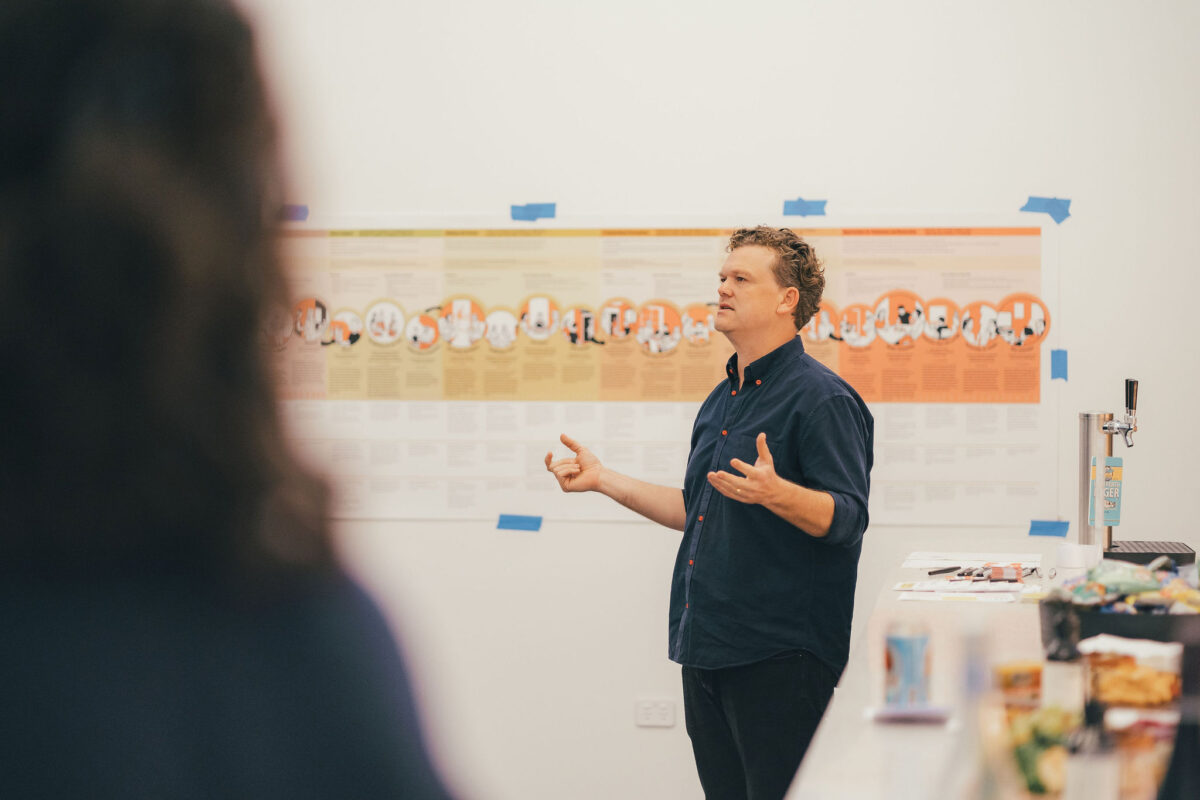
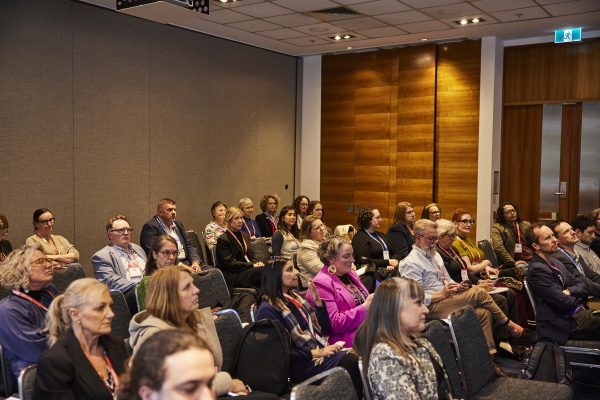
Photo: Third Story
Climate has the Task Force on Climate-Related Financial Disclosures (TCFD). Nature has the Taskforce on Nature-related Financial Disclosures (TNFD). Until now, the social dimension of business risk had no equivalent framework, despite being just as material to company performance.
Social Traders interviewed Sharan Burrow, Co-chair of the Task Force on Inequality and Social-related Financial Disclosures (TISFD), to unpack how that gap is finally closing, and what it means for Australian business.
The push for social disclosure
A decade ago, progressive businesses used the momentum of the 2015 Paris Agreement to push beyond climate, forming the Business for Inclusive Growth community at the G7. That work, alongside the architects of the TCFD and TNFD, eventually produced the TISFD. Sharan Burrow now shares the chair with three others spanning labour, business and finance. A steering committee and regional consultative councils back the group, co-designing the framework rather than imposing it top-down.
TISFD deliberately mirrors the TCFD and TNFD structure: a conceptual framework, disclosure recommendations, metrics and targets, and implementation guidance. The disclosure recommendations are currently out for open consultation, with an appetite to keep the framework to the smallest number of high-impact indicators rather than an unworkable wish list.
The TISFD framework is designed to guide businesses from respecting to taking responsibility for social rights, embedding social factors into core business models rather than treating them as add-ons.
If a business model is not based on responsibility for core labour standards like minimum wages, basic entitlements including sick and holiday leave – then it’s a business contributing to a model of exploitation.
“My first interest it to get responsibility embedded into the business model. So no CEO, no Board or no Executive doesn’t take responsibility for the three legs of the stool. If we want to build resilient and respectful economies that share prosperity, that’s where we have to go.” – Sharan Burrow.
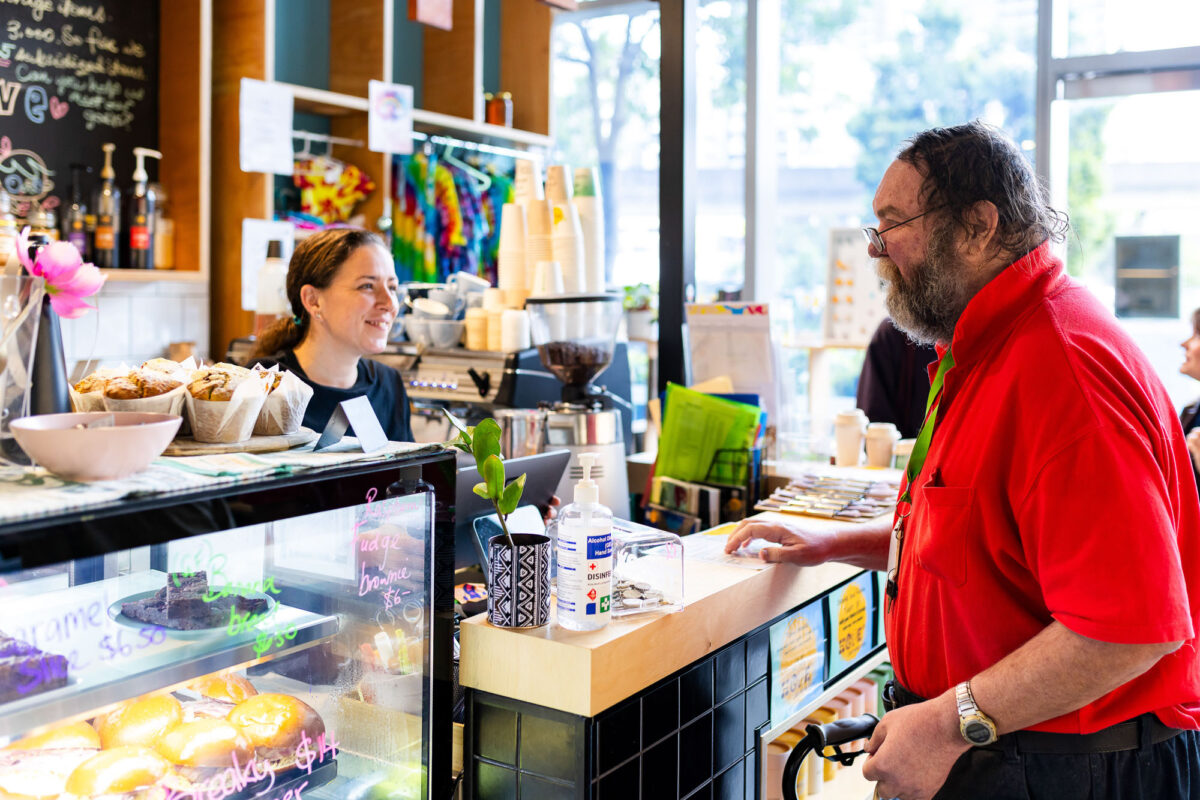
Hope Street Cafe
What it means for business
This matters commercially, not just ethically. Sharan pointed to a double materiality: a company's own workforce practices affect its financial model directly, while the broader economic security of its customers and supply chain shapes the demand it depends on.
Secure, fairly paid workers are more productive. Insecure households buy less and disrupt supply. “In Australia, despite one of the highest minimum wages in the world, 3.7 million people live below the poverty line and 1.3 million households have experienced food insecurity in the past two years. That is a demand problem as much as a fairness problem,” – Sharan Burrow.
For many, building the business case to focus on social inequality challenges remain but they’re addressed through place-based, practical approaches that link social investment to economic and community benefits.
Social enterprises, Indigenous businesses and other community wealth building models offer working examples where social and economic goals reinforce each other, strengthening both workforce stability and local consumer demand.
Practical examples help businesses see social investment as integral to competitiveness and employee value proposition. Sharan stressed the importance of going beyond transactional social license to co-designed, trust-building relationships with communities.
Compliance is not the starting ambition of the TISFD framework, but it becomes inevitable when voluntary responsibility fails to spread. That is exactly how the TCFD evolved, from a voluntary reporting standard into a de facto requirement once regulators stepped in. Progressive businesses currently carry the cost of doing right while competitors without a legal floor do not. A shared disclosure standard levels that playing field and gives good actors evidence for their approach, not just goodwill.
Measuring what's hard to measure
Social and inequality impacts don't have a universal metric the way emissions do, but Sharan argued the gap is smaller than it looks. Global labour rights already provide a foundation: wages, collective bargaining, parental leave and workplace safety all have established baselines.
Existing benchmarks, including the UN Global Compact's living wage work, offer a starting point that can adapt by country. The goal is balance, comprehensive enough to be meaningful, simple enough that businesses don't disengage. Transparency does the rest, since visible metrics encourage peer learning and reduce the fear of getting it wrong.
Double materiality sits at the centre of this: a business's impact on people, and the impact of social conditions on the business itself. Boards and finance leaders need to treat social risk with the same weight as environmental and financial risk, particularly as litigation trends raise the stakes globally.
A strong lever business can pull in creating social value is through procurement spend. When organisations buy from certified social enterprises and report on that spend, they get more than a receipt. They get evidence. Social Traders provide these reports that show the real employment and environmental outcomes created through the supplier relationship: supported jobs for marginalised people, waste diverted from landfill, and tangible support for community.
What businesses can do now
- Start by examining what your business knows about its impact on workforce, community and supply chain. You can use our free social performance assessment tool to help.
- Embed that thinking into business planning, not just a report sitting beside it.
- Bring social risk into enterprise risk management alongside financial and environmental risk. This groundwork builds readiness well before disclosure becomes mandatory.
Organisations that perform best for people, perform best in business. We work with businesses to align ‘nice-to-have’ initiatives on people-related impacts into strategic business operations.
We’re removing complexity, providing expertise to educate your teams and executive, and reporting to help your organisation make the shift.
Get in touch to learn more.
You might also like
 Trends & Insights
The disclosure shift, from climate to people
Trends & Insights
The disclosure shift, from climate to people
Social performance disclosure: The metric business leaders can't ignore much longer.
 Sector News
Case Studies
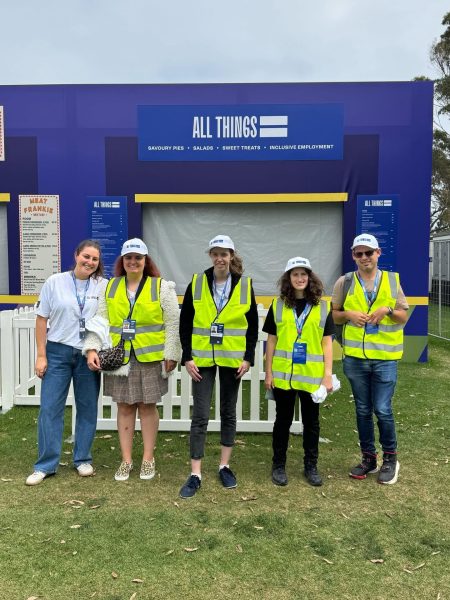
Beyond the podium: The Australian Grand Prix partnership putting inclusion first
Sector News
Case Studies
Beyond the podium: The Australian Grand Prix partnership putting inclusion first
Partnering with All Things Equal for a world‑class sporting event, delivering inclusive employment and impact.
 Sector News
Best practice
Modern slavery reform: Time to move from disclosure to action
Sector News
Best practice
Modern slavery reform: Time to move from disclosure to action
The Commonwealth Modern Slavery Act is changing, requiring businesses to take action - not just report.