Modern slavery reform: Time to move from disclosure to action

The Commonwealth Modern Slavery Act is changing, requiring businesses to take action - not just report.
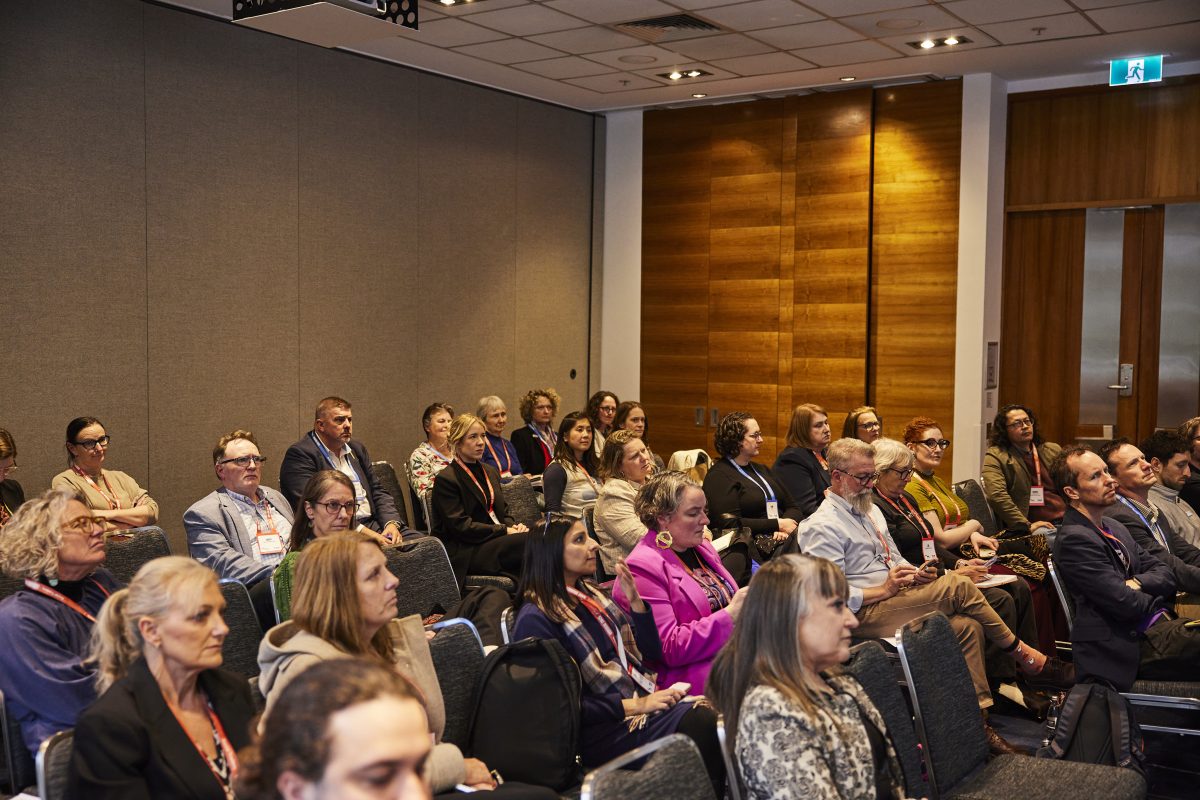
Businesses must move from disclosure to action. A need to better prevent and address modern slavery risks.
Australia has made meaningful progress on modern slavery. The Commonwealth Modern Slavery Act has brought the issue into boardrooms, procurement teams, and supply chain conversations. But after several years of reporting, one thing is clear: disclosure alone does not prevent exploitation.
The regulatory landscape is changing
In January 2026, the Office of the Australian Anti-Slavery Commissioner published a position paper recommending two significant reforms to the Modern Slavery Act:
- A mandatory risk-based modern slavery due diligence obligation for all reporting entities.
- A mechanism enabling the Commissioner to declare high-risk products, services, or industries and require entities to address those risks in their due diligence and reporting.
These reforms require businesses to take reasonable and proportionate action to prevent and address modern slavery risks, not just report on whether those risks might exist.
Australian Anti-Slavery Commissioner Chris Evans put it plainly:
"We have known for years that transparency measures alone have not created meaningful impact for exploited workers. Currently, reporting is mandatory but taking action is not, leaving workers exposed and responsible businesses disadvantaged. Other like-minded countries have already legislated mandatory due diligence regimes. These reforms are pragmatic, enforceable, and designed to deliver real change for people trapped in modern slavery."
This shift is also happening internationally. New Zealand’s Modern Slavery Bill proposes offences and penalties for reporting failures. The European Union’s due diligence frameworks require companies to understand and address human rights impacts across value chains. The United States can block goods connected to forced labour from entering the country. The message to Australian business is consistent: the era of “tell us what you are doing” is shifting to “show us how you are preventing harm”.
Why paper-based compliance is no longer enough
Policies, supplier questionnaires, contract clauses, and annual statements all have a role. But they do not tell you whether workers are safe, whether people can speak up, or whether remediation is available when harm is found.
Modern slavery risks are complex and often sit below Tier 1 suppliers, embedded in labour hire arrangements, subcontracting, offshore production, seasonal work, cleaning, logistics, construction, and hospitality. Vulnerable workers in these areas often have limited power to raise concerns. That makes them invisible under traditional compliance approaches.
Prevention does not require perfection from day one. It requires a different mindset.
Treat modern slavery due diligence as a human process, not just a procurement process. Supplier codes and contractual warranties cannot replace trust-building, worker engagement, and practical pathways for people to raise concerns safely.
Prioritise severity over convenience. Focus on where the greatest harm to people could occur, even if that part of the supply chain is harder to see.
Include survivor and worker voice in your approach. Policies designed without lived experience risk becoming another layer of paperwork. People who have experienced exploitation can identify barriers, warning signs, and practical solutions that compliance teams often miss.
Five practical steps to take now
Whether you are building your approach from the ground up or strengthening what you already have, these steps will help reduce business risk and prepare for incoming obligations.
- Map your highest-risk areas first. Look beyond Tier 1 suppliers. Prioritise labour hire, subcontracting, cleaning, construction, agriculture, logistics, offshore manufacturing, and any arrangements involving migrant workers, recruitment fees, or accommodation provided by the employer.
- Review your own purchasing practices. Modern slavery risk is not only caused by bad suppliers. Unrealistic pricing, short lead times, and sudden order changes from buyers can create conditions for worker exploitation. Examine how your commercial decisions may contribute to risk.
- Move from supplier declarations to active due diligence. Do not rely solely on questionnaires or contract clauses. Engage suppliers directly, ask for evidence, follow up on red flags, and focus resources on the most severe risks to people.
- Strengthen grievance and remediation pathways. Ensure workers can raise concerns safely, in a language they can access. Build your remediation plan before harm is identified, not after. Define internal responsibilities, escalation processes, and referral pathways to specialist organisations.
- Ask better questions at board and executive level. Not only “Have we submitted our statement” but “What have we changed because of what we found?” “How do we know our actions are working?” and “Who have we listened to?”
Curious to know how ethical your business is and how you're fairing against anti-slavery? Use this free tool to find out.
Get further support from Social Traders and The Freedom Hub
Social Traders, the industry body for social enterprise and social performance, has partnered with The Freedom Hub to make ethical procurement and modern slavery due diligence practical, strategic levers for businesses committed to social performance.
Together, we support organisations to understand their legal obligations and build the capability to meet them, particularly as mandatory due diligence laws approach. Social Traders members gain access to knowledge, tools, and guidance across human rights due diligence with a specific focus on the “Reasonable Steps” required to manage modern slavery risks in operations and supply chains.
The Freedom Hub also provides exclusive access to survivor insights through its Survivor Advisory Board, bringing a human perspective to policy design and ensuring the voices of those directly affected by slavery are heard and respected.
All profits from The Freedom Hub’s work support survivors of slavery in Australia to rebuild and recover, meaning businesses that engage this partnership align compliance, procurement, and impact in a way that is both practical and deeply human.
This partnership also offers a clear point of differentiation for businesses that want to go beyond reporting. Procuring from certified social enterprises, building supplier diversity, and embedding survivor voice in due diligence processes are all steps that demonstrate genuine commitment, not just compliance.
The opportunity ahead
Modern slavery reform is not something to fear. It is an opportunity to move closer to what the law was always meant to achieve: fewer people exploited, more people protected, and more responsible businesses recognised for doing the right thing.
Businesses that act now, rather than waiting for legislation to force their hand, will be better positioned to manage risk, meet stakeholder expectations, and demonstrate genuine leadership. The tools, partnerships, and expertise to take that next step are available. The question is whether your organisation is ready to use them.
This article was developed in collaboration with The Freedom Hub, Australia’s only life-long recovery hub for survivors of modern slavery. Visit the website:
How ethical is your business?
Discover your organisation's strengths and opportunities in ethical practices, procurement and policies to drive social performance further.
Use this free tool to gain valuable insights and actionable feedback.
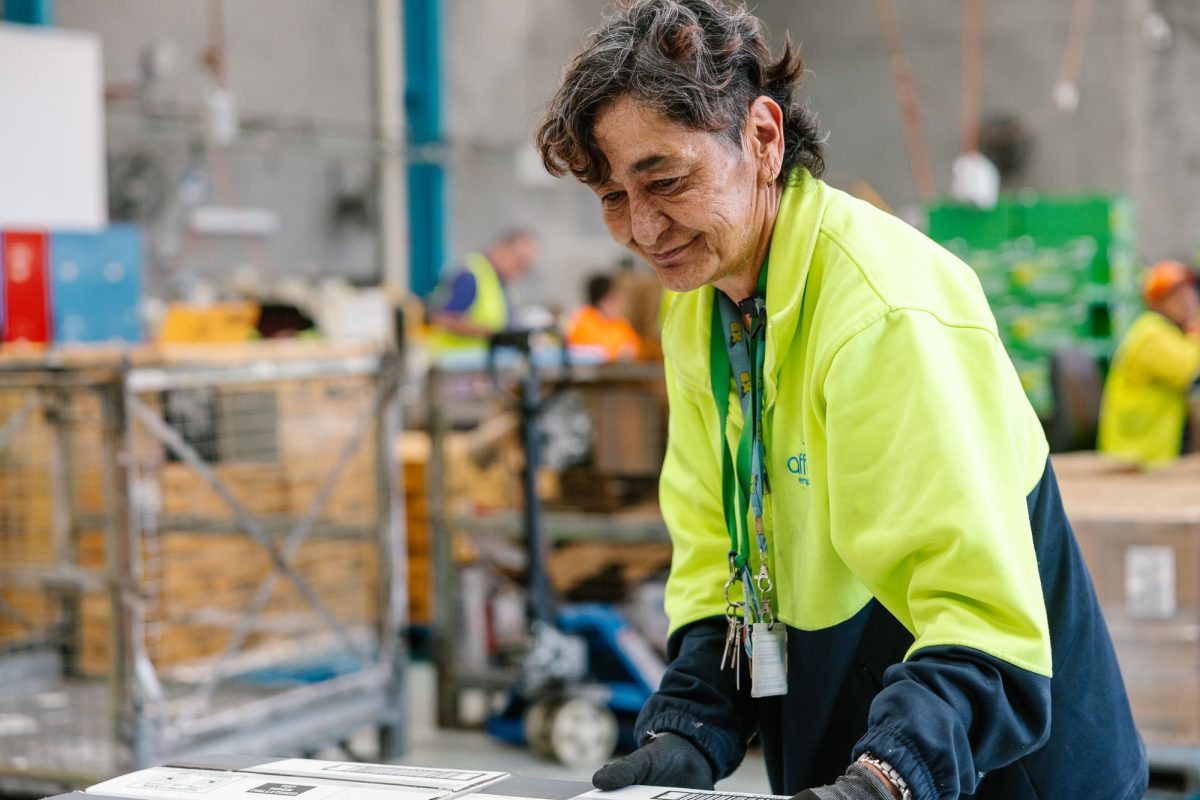
Afford
You might also like
 Sector News
Trends & Insights
Social value is no longer optional, now a key differentiator.
Sector News
Trends & Insights
Social value is no longer optional, now a key differentiator.
Discover why companies like Ventia and ISS are building this capability as reporting requirements tighten.
 Sector News
Trends & Insights
Navigating the storm: How social enterprises are adapting in uncertain times
Sector News
Trends & Insights
Navigating the storm: How social enterprises are adapting in uncertain times
Economists and social enterprise leaders came together to examine supply chain disruption and what it means for their organisations.
 Sector News
Trends & Insights
Top trends: What Social Traders data reveals about where social procurement is headed
Sector News
Trends & Insights
Top trends: What Social Traders data reveals about where social procurement is headed
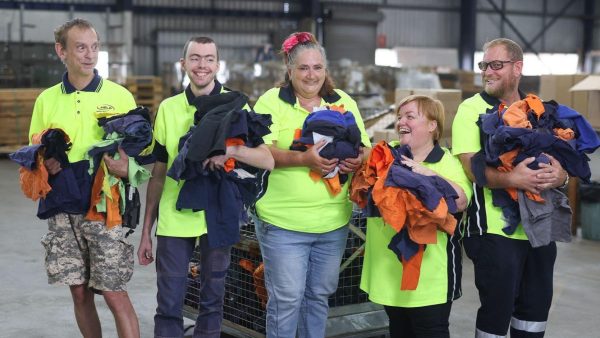
Social procurement, a strategic business lever for social value. Photo: Help Enterprises