Navigating the storm: How social enterprises are adapting in uncertain times
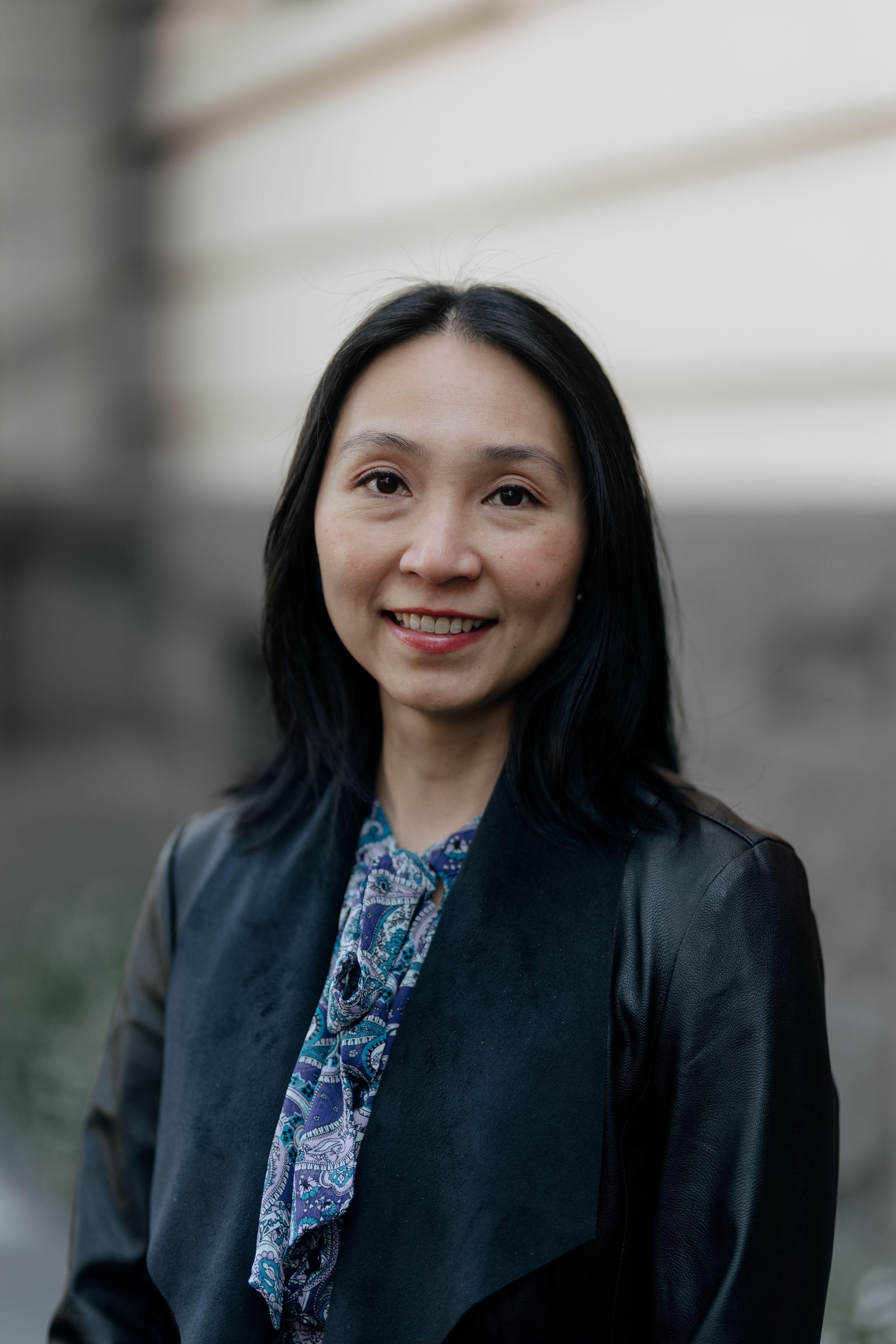
Economists and social enterprise leaders came together to examine supply chain disruption and what it means for their organisations.
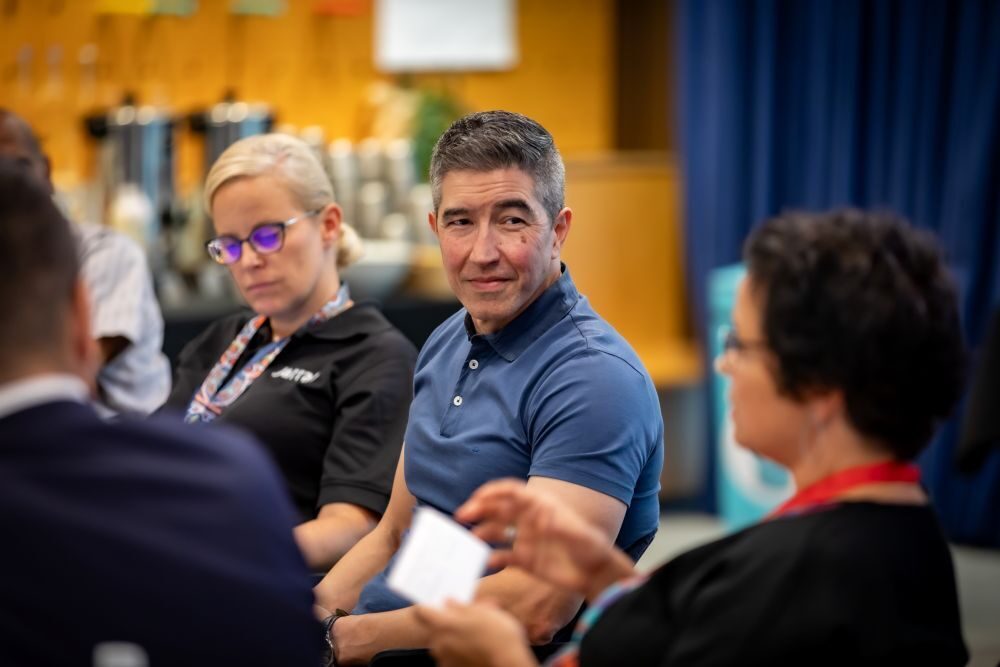
Insights from Social Traders Supply Chain Disruption Forum
Australia's economy is under pressure. Social Traders member organisation Ernst & Young, Australia (EY Australia) shared that inflation is running at 4.1% headline and 3.5% underlying, both exceeding the Reserve Bank's 2–3% target band – businesses of all sizes are grappling with a cost environment that shows little sign of easing.
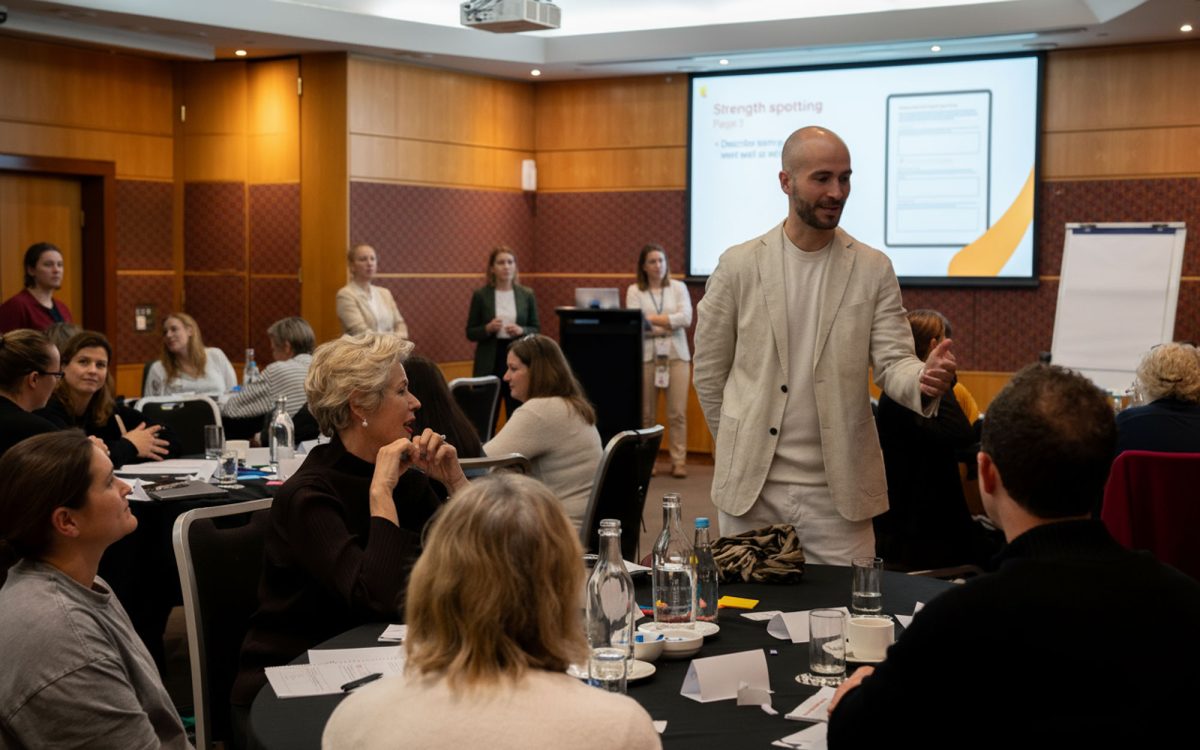
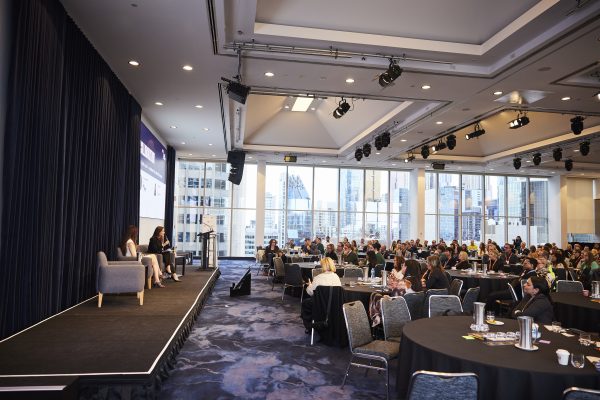
Economists and social enterprise leaders gathered to unpack the forces reshaping supply chains and share honest accounts of how their organisations are holding on, adapting, and in some cases finding new opportunity in the disruption.
Representing EY Australia on the day were: Nicholas Hordern, Associate Director - Office of the Chief Economist; Bhavani Inbasegaran, Partner - Supply Chain and Tania Leong-Dunlop, Associate Director, Actuarial Analytics.
Certified social enterprises that were on the discussion panel were: Greg Edelmaier at STREAT, Stacey Barrass at Goddess Cleaning Group, Ritchie Djamhur at Superyard and Hedayat Osyan, CommUnity Construction.
A "new normal" of elevated risk
EY Australia's economic briefing painted a sobering backdrop. The Reserve Bank has raised the cash rate three times this year to 4.35%, with at least one further hike anticipated before year-end. Unemployment still sits historically low at 4.3%, keeping wage pressures elevated and complicating the Reserve Bank's path back to stable inflation.
Beyond interest rates, it is the compounding nature of supply chain shocks that is most concerning. Since 2019, Australian businesses have absorbed the impacts of COVID-19, the Ukraine conflict, and now the Middle East crisis in rapid succession. EY Australia noted that the frequency and duration of these shocks is shortening, leaving less time for businesses to recover between disruptions.
Crude oil sits at the centre of these pressures. Its influence extends far beyond the petrol pump. PVC plumbing materials have risen 30–35% in price, sulfuric acid used in industrial and cleaning products has spiked, and packaging costs have surged.
Asian supply chains, which Australia depends on heavily, are bearing the brunt of these pressures, with ripple effects flowing downstream to local businesses. Consumer confidence has declined sharply in response, and GDP per capita is forecast to contract over the coming year.
The message from EY Australia was clear: this is not a temporary disruption. Businesses need to plan for an ongoing environment of heightened risk, not a return to pre-pandemic stability.
Social enterprises navigating the disruption
Four social enterprises shared their firsthand experience navigating these conditions: STREAT (represented by Greg Edelmaier), a social enterprise catering and cafe enterprise; Goddess Cleaning Group (Stacey Barrass), a cleaning and hygiene services business; Superyard (Ritchie Djamhur), a circular economy marketplace focused on construction material reuse; and CommUnity Construction (Hedayat Osyan), a construction firm employing people facing barriers to work.
Each operates with an additional layer of complexity that commercial businesses do not face: their social mission carries inherent cost of impact, making cost management even more critical to survival.
Greg at STREAT moved early and decisively. Facing rising input costs, their cafe arm rationalised its menu, cutting product variety to focus on best sellers. This reduced ingredients, simplified procurement, and cut food wastage from 10% to under 5%.
Rather than quietly absorbing cost increases, STREAT also raised its prices proactively, earlier than most would feel comfortable doing, to protect margins before the pressure became critical. Perhaps most surprisingly, open conversations with suppliers yielded unexpected cost reductions. Greg's reflection was pointed: suppliers often don't understand the social enterprise model or the higher cost base it involves, and better communication and storytelling is needed to build those relationships.
Stacey at Goddess Cleaning Group drew a firm line on quality. Despite cost pressures, she refused to cut service standards, a decision rooted in both principle and client retention. Instead, the team reassessed scopes of work to prioritise what was genuinely essential and began actively diversifying their supplier base. A meaningful shift has been sourcing Australian-made cleaning products to reduce dependence on imported supplies, a practical hedge against both supply uncertainty and currency-driven price rises.
Ritchie at Superyard faces a structural tension at the heart of his circular economy model: rising fuel costs have made moving salvaged construction materials between sites prohibitively expensive. A full truck transported from Melbourne to Adelaide now costs $6,000 one-way, fundamentally challenging the economics of reuse.
His response has been to pivot the business model – moving into consulting and education, helping clients plan for material reuse at the project design stage rather than after the fact. This not only creates a new revenue stream but reduces the logistical burden by preventing unnecessary stock movement in the first place.
Hedayat at CommUnity Construction took perhaps the boldest pivot. With construction demand softening in NSW and living costs squeezing workers in Sydney, Hedayat has shifted his business focus to Queensland, where project pipelines are stronger and workers can afford to live better. Staff have been encouraged to relocate, and new contracts are being secured in the region. It is an adaptive strategy that puts labour supply and demand geography at the centre of business planning.
Making strategic decisions to protect profit and purpose
What stands out across these enterprises is not any single tactic, but a willingness to make structural changes rather than simply endure. They are simplifying, diversifying, pivoting geographically, educating clients, and speaking honestly with their suppliers. Actions that require a different kind of management confidence than waiting for conditions to improve.
There is also an untapped opportunity: social enterprises buying from each other. Building intra-sector supply chains could reduce cost exposure, increase purchasing power, and strengthen the social enterprise ecosystem as a whole. As Greg noted, there is both social and financial logic to sourcing from within the network.
The overarching message from the forum was one of cautious optimism. The economic headwinds are real and likely to persist. But social enterprises, accustomed to operating lean, purpose-driven, and resourcefully - may be better placed than many to find a way through.
Be Well Co
Want more news on the business for good community?
Get the latest social performance updates, insights and social enterprise stories delivered straight to your inbox.
You might also like
 Sector News
Convene 2026: Social Value Through Business
Sector News
Convene 2026: Social Value Through Business
Social performance is now part of business strategy, connecting social value with business value. That's why it's the theme of our conference this year.
 Sector News
Trends & Insights
Top trends: What Social Traders data reveals about where social procurement is headed
Sector News
Trends & Insights
Top trends: What Social Traders data reveals about where social procurement is headed
Social procurement, a strategic business lever for social value. Photo: Help Enterprises
 Sector News
Best practice
She didn't wait for policy. She just started buying differently.
Sector News
Best practice
She didn't wait for policy. She just started buying differently.
Nicole Donnison at Icon, turning contracts into community impact.