Social Value Hub
Business success now hinges on social value. It shows up in procurement requirements, investor scrutiny, and employee expectations.
Companies that measure social value build resilient supply chains, win more contracts, and earn deeper trust.
Here's what you need to know and act on it.

Asylum Seeker Resource Centre Catering
What is social value?
Social value is the positive impact an organisation creates for society beyond its financial bottom line. Where traditional accounting tracks profit, social value measures the broader economic, social, and environmental outcomes generated through everyday operations and business decisions.
Most organisations are already creating social value through local hiring, sustainable procurement, community investment, or reducing carbon emissions. The opportunity lies in measuring, managing, and amplifying it.
Getting started
Social value is the new currency, and businesses lifting their social performance will have a competitive advantage.
Social performance is when a business goes beyond financial outcomes to create social value for employees, suppliers, contractors, customers and the broader community in which it operates.
There are many facets to social performance, but when businesses take a holistic approach and embed it in their operating model for the long-term, the impact is amplified.
Working in partnership with Social Value Portal, we've developed a Social Value Guide to sharpen your knowledge about social value, its importance in business, and what you can do to deliver and report on it.
Download your free guide to Social Value
Why social value matters to your business
Social value is no longer just the right thing to do. It's a commercial imperative. A strong social value strategy delivers measurable business benefits across procurement, talent, brand, and investment.
- Businesses that win the social value portion of a public tender are twice as likely to win the overall contract.
- Purpose-driven companies attract stronger talent, 70% of workers won’t consider joining a company without a clear sense of purpose (Harvard Business Review).
- 60% of consumers buying behaviour is based on sustainability & ethical criteria, growing by 10% each year. (PwC 2023 ESG Trends).

20%
more value per public contract with embedded social value.

2x
more likely to win a tender when leading on social value.

77%
of investors interested in sustainable investing.

ReNew Property Maintenance
Global policy frameworks driving adoption
Regulatory pressure is accelerating the shift from voluntary commitment to mandatory reporting. Business leaders need to understand the policy landscape shaping expectations and act accordingly.
The Labour Government refreshed the Social Value Act and released a new Social Value Model, cementing Social Value at the centre of all public spending decisions.
Requires large organisations to disclose social and environmental impacts under the European Sustainability Reporting Standards (ESRS), closely mirroring Social Value measurement requirements.
The Australian market is experiencing a significant acceleration in Social Value adoption, driven by government procurement reform, the Modern Slavery Act 2018, Closing the Gap commitments, and growing ESG disclosure expectations from investors and regulators. Major infrastructure projects and government contracts increasingly require suppliers to demonstrate and quantify their social and community impact.
Australia’s position as an early adopter of international Social Value measurement standards means organisations that invest in robust measurement frameworks now will be better positioned as mandatory reporting requirements expand.
Social value quick tips
Building a social value practice does not require starting from scratch. Here are some pointers on how to begin.
Tip 1
Build organisational understanding
Every department owns social value, not just sustainability or procurement. When HR, finance, operations, and leadership speak the same language, strategy aligns and results follow. Invest in training that turns social value from concept into action.
Tip 2
Conduct a local needs analysis
Deliver the greatest social value where the greatest need exists. Before building a strategy, get to know the communities where you operate. A Local Needs Analysis grounded in credible socioeconomic data, pinpoints the challenges your organisation is best placed to address. Your social value activities will then create real, targeted impact rather than generic gestures.
Tip 3
Build a strategy with leadership support
Define your priorities, name the outcomes you're aiming for, and map a clear path to get there. Secure leadership commitment early. Social value strategies without executive sponsorship rarely achieve the scale or integration needed for meaningful impact.
Tip 4
Implement a measurement framework
Adopt the TOM System framework to set measurable targets and track progress of your impact over time. Measurement transforms social value from a values statement into a business asset – one you can demonstrate to clients, report to investors, and use to win contracts.
Measuring social value
The Global TOM System (Themes, Outcomes and Measures) is the world’s leading social value measurement standard.
In 2023, Social Value Portal established the Australian Social Value Taskforce, a cross-sector group of 40+ Australian organisations, to develop a version of the TOM System tailored to Australia’s unique social, economic and cultural context.
Social Traders is partnering with Social Value Portal to help organisations measure, manage and report on social value outcomes with the TOM System. Get a copy of the technical guide to understand the framework, methodology and data requirements needed to track impact.
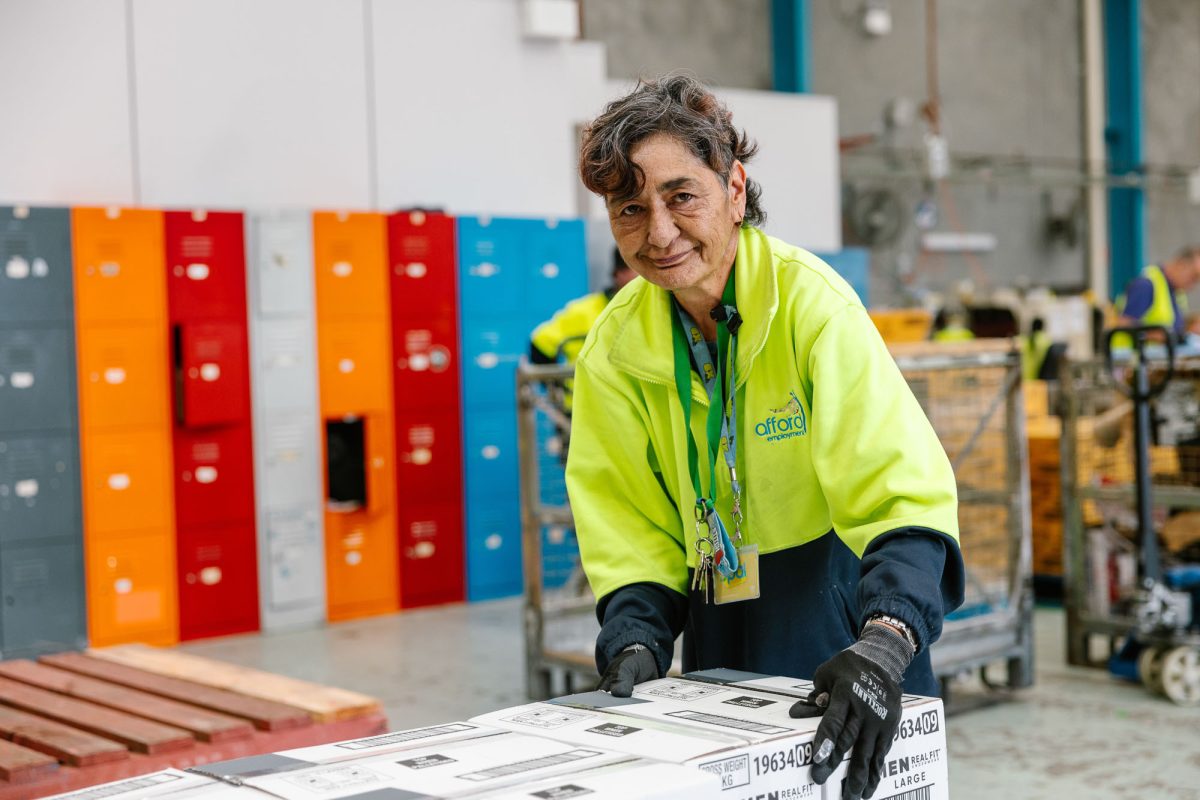
Afford
Lead on social value today
Regulatory requirements are tightening, investor expectations are rising, and communities are holding organisations to account. The organisations that invest in robust social value measurement today will win the contracts, talent, and trust of tomorrow.
Social Value Portal and Social Traders provide the framework, platform, and expertise Australian organisations need.
Interested to explore we can support your business? Email us and let's start the conversation.