Social procurement for construction, built into every bid.
Turn your supplier choices into community impact. Social Traders connects contractors and subcontractors to Australia's largest network of certified social enterprises, with spend tracking built for construction. Get measurable results with credible reporting, backed by the most trusted social enterprise dataset in the country with us.
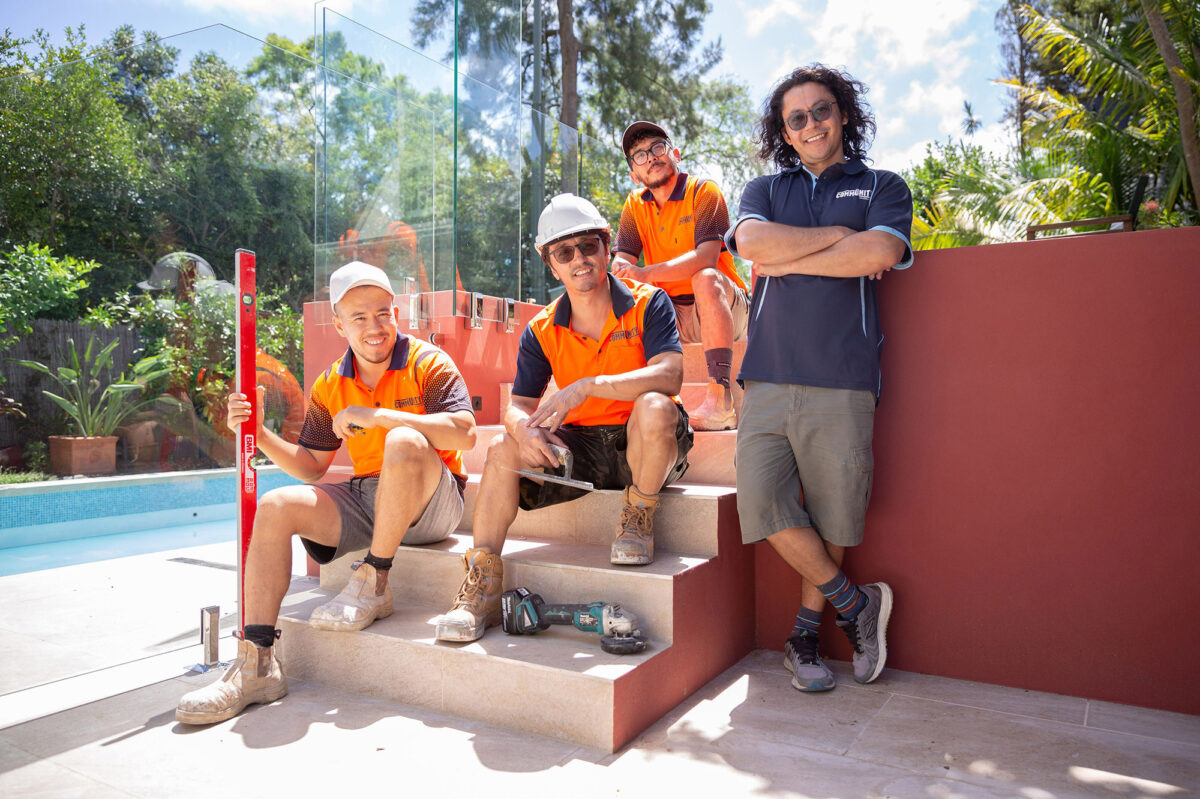
CommUnity Construction
Social Traders members meeting their social procurement targets on major projects, including:
















The Social Traders portal gives us quick access to a network of certified social enterprises, making it easier to find the right partners and understand the positive impact they deliver. Their reporting provides trusted verification of our social spend and supports our governance obligations. What sets Social Traders apart is their partnership approach, continuously working with us to identify opportunities, strengthen our strategy and create greater social value for our customers, people and communities.
Melissa Raby
Head of Social Impact
Everything you need to win contracts and deliver on targets.
Social Traders simplifies social procurement. In one platform, connect with relevant certified social enterprises, track outcomes and produce reports that satisfy compliance requirements.

Mirvac
A faster path to social suppliers.
Instantly connect with 750+ certified social enterprises nationally, share your requirements and get direct responses fast. Lock in suppliers that strengthen your next tender.

Project Net Zero
Satisfy reporting requirements easier.
Every dollar tracked and outcomes measured: job pathways, training hours, waste diverted from landfill and more. Get the compliance-ready proof your clients and stakeholders demand.

ASRC Cleaning
Identify gaps, act on opportunities quickly.
See which procurement categories your peers use that you're missing. Get live recommendations of certified social enterprises to hit your targets and sharpen your tender response.
Social procurement is already reshaping construction

46%
of Social Traders members that spent over $1m with certified social enterprises in FY25 were from the construction industry.

$62M
spent with certified social enterprises in building trades in FY25, up from $1.8M five years ago.

71%
of all buyer members increased the amount spent with certified social enterprises in FY25 vs FY24.
Download the latest Construction Industry Snapshot
Social targets now sit inside tenders as standard. Don't fall short on compliance or miss out on contracts.
Unpack the social procurement trends shaping the construction industry. Get the data that will help you build the case and win the work.
- Discover the top spend categories driving positive change
- Find out which communities are benefiting from the social spend
- See the measurable impact outcomes achieved with the social spend
Download the snapshot

When responding to tenders, we can quickly source verified social enterprises from Social Traders live database that align with procurement requirements, making it easier to meet social value weighting with confidence.
Gaia Milanesi
Senior Advisor Industry Capability and Inclusion, Terra Verde

From pilot program to workforce blueprint. This is social performance in action.
In FY25, CPB Contractors spent $34.2 million with certified social enterprises, the highest among Social Traders members. One of their partnerships is with CareerSeekers, a certified social enterprise supporting refugees and people seeking asylum into professional employment.
What started as 10 interns in 2018 is now one of the construction sector's most powerful inclusive hiring stories, with a modest pilot becoming a blueprint for refugee employment - and a 72% conversion to permanent roles.

How social procurement policy shapes your bid, state by state.
Each state and territory takes a different approach to social value in tender requirements, and the policy landscape shifts regularly. Use the links below to go straight to the source, so your bid team is always working from the current version.
Victoria’s Social Procurement Framework governs how the Victorian Government procures goods, services and construction, and is widely regarded as the most mature, highest-expectation social procurement policy in the country.
Depending on spend thresholds and location, buyers must seek out social benefit suppliers, unbundle procurement to improve their access, or set spend targets suppliers must show how they'll meet. Social benefit suppliers include Aboriginal businesses certified by Kinaway or Supply Nation, and social enterprises certified by Social Traders.
Bidding into Victorian construction work without certified suppliers already in the supply chain means starting from behind.
NSW Government procurement policy requires every procurement opportunity to consider social outcomes and sustainability, with requirements for engaging SMEs, regional businesses, Aboriginal enterprises and Australian Disability Enterprises, and social enterprises are named as an encouraged supplier type in the NSW Buyer Guide.
A newer local procurement direction also applies to contracts of $7.5 million or more across goods, services, construction and ICT: agencies must prioritise local suppliers or document why not under an "if not, why not" requirement.
For construction bidders, supplier diversity is already expected to be part of the bid, not something built once asked.
From 1 January 2026, the Queensland Procurement Policy 2026 became the government's overarching procurement policy, built on five strategic pillars, the fifth of which commits to building a diverse supplier base, including social enterprises and Aboriginal and Torres Strait Islander businesses.
It's a new policy, which means bidders who move on it now will have a head start once agencies start applying it in practice.
The Western Australian Social Procurement Framework applies to all state agencies and sets Community Outcomes that feed into value-for-money assessments under the WA Procurement Rules, across all procurement types including construction.
WA hasn't published detailed supplier-certification requirements the way some other states have, but the direction is the same: social outcomes are now formally part of how value for money gets assessed. The 2026-27 WA Budget adds weight to this direction, with the Cook Government committing $2.8 million to a new Employment of People with Disability Procurement Policy. The Department of Treasury and Finance WA has been tasked with creating, implementing and administering it. With around 100,000 Western Australians with disability currently not working, the policy is designed so that WA's 130+ government agencies and departments can meet their procurement needs while supporting businesses that employ people with disability, creating jobs in the process.
South Australia's Economic and Social Procurement Guideline sets out how public authorities build economic and social outcomes into everyday buying, and explicitly names social enterprises - organisations that reinvest the majority of their profit into their purpose - as a recognised social benefit supplier type.
It's guidance rather than a hard mandate, but it's a clear signal of what SA agencies are looking for.
Tasmania's Buy Local Policy requires an Economic and Social Benefits Test on all open tenders valued at $100,000 or more, weighted at 30% of the overall evaluation criteria, and a Tasmanian Industry Participation Plan is mandatory for contracts of $5 million or more.
That 30% weighting is significant: on a Tasmanian Government tender, the social and economic benefits response carries almost a third of the score.
The ACT's Government Procurement (Charter of Procurement Values) Direction 2020 applies to all new procurements regardless of value, committing agencies to weigh ethical, environmental, economic and social factors.
On top of that, an Ethical Treatment of Workers Evaluation applies to high-risk industries, including construction, for procurements of $200,000 or more, and the Canberra Region Local Industry Participation Policy requires a Local Industry Participation plan for construction contracts of $5 million or more.
For ACT bidders, that's two separate requirements stacking at the $5 million-plus mark.
The NT's procurement framework is built around "Value for Territory", assessing the overall benefit of a purchase, not just price. Its Aboriginal procurement policy gives Aboriginal Business Enterprises structured opportunities to compete. The Territory doesn't yet have a dedicated social enterprise procurement policy the way other states do, which makes it the a jurisdiction where bidders genuinely have first-mover room before that changes.
Ready to make social procurement part of how you build?
Join the contractors and subcontractors already turning tender requirements into delivered social value.