The disclosure shift, from climate to people

Social performance disclosure: The metric business leaders can't ignore much longer.
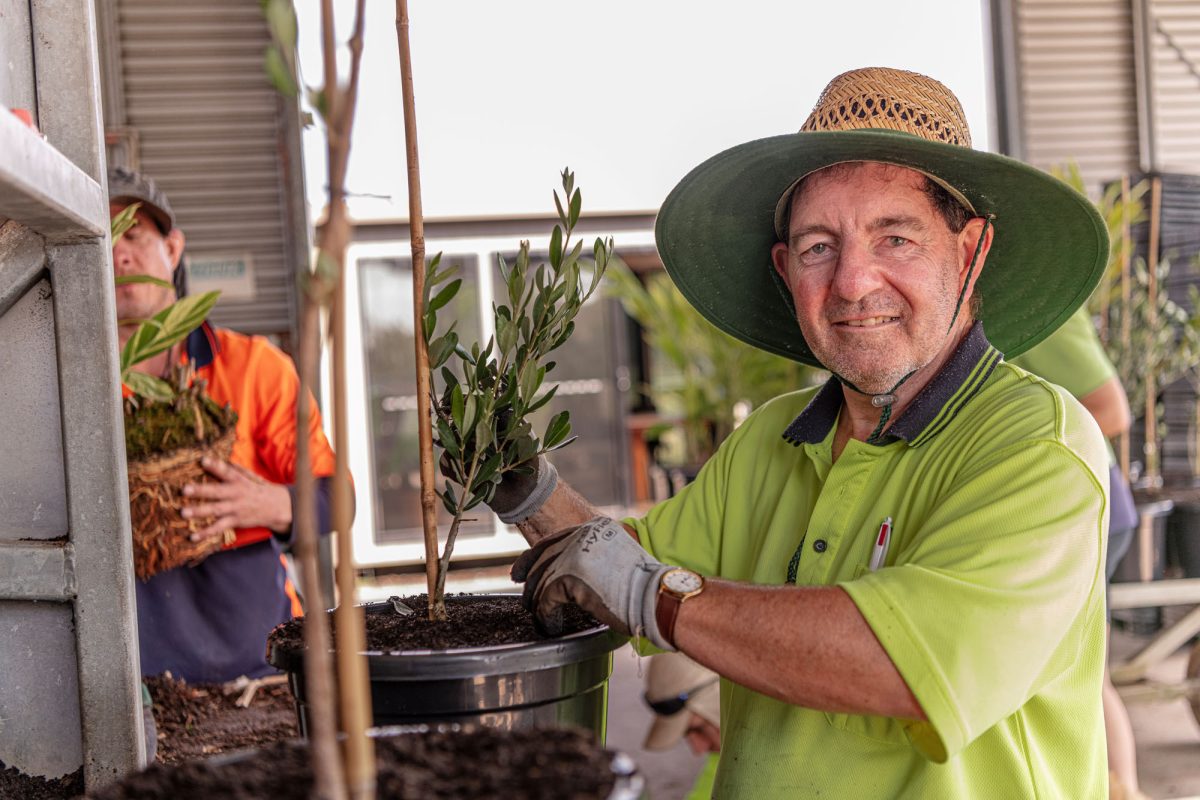
Photo: Help Enterprises
Social disclosure is the next frontier after climate
For the past decade, climate has dominated the global sustainability conversation. Boards built climate governance structures, finance teams learned to model transition risk, and procurement teams added emissions data to supplier scorecards. Now a quieter shift is moving the spotlight from the planet to the people whose labour, wellbeing and communities underpin every business.
How we got here
Today's regulation didn't appear overnight. It cascaded from international principles into binding national law, and the pattern stayed consistent: the EU legislates first, investor expectations accelerate adoption, and Australia tends to follow, often adopting quickly.
The United Nations laid the early groundwork. The UN Global Compact (2000) set out ten principles on human rights, labour, environment and anti-corruption, and the Principles for Responsible Investment (2006) pushed institutional investors to weave ESG risk into capital allocation.
The UN Guiding Principles (UNGP) on Business and Human Rights (2011) then established the "Protect, Respect, Remedy" framework, still the authoritative global standard for managing human rights risk, and Australia signed on. The Sustainable Development Goals rounded out the picture with 17 shared targets that progressive corporates have signed up to.
Guidance and law soon followed. The OECD's Due Diligence Guidance for Responsible Business Conduct shaped the EU's Corporate Sustainability Due Diligence Directive (CSDDD), in force since 2024 and effective from 2028, which introduces mandatory human rights and environmental due diligence across a company's own operations, subsidiaries and supply chain.
Australian businesses with in-scope parent companies, or that contract with in-scope entities, already fall under it, and many expect similar obligations here in coming years. Modern slavery law followed the same pattern: the UK legislated in 2015, and Australia followed in 2018 as its response to the UNGPs.
Alongside this, standard setters built the reporting infrastructure businesses now rely on: ISO 26000 and ISO 24000, the Global Reporting Initiative's sustainability standards, IFRS S1 and S2 (adopted in more than 36 jurisdictions), and CDP's environmental disclosure system. Taskforces then closed the remaining disclosure gaps one by one. The Taskforce on Climate-related Financial Disclosures did its job so thoroughly that the ISSB absorbed it in 2023, and the Taskforce on Nature-related Financial Disclosures followed, now with more than 730 adopters.
One gap remained. Climate had a taskforce. Nature had a taskforce. Inequality and social impact didn't, until the Taskforce on Inequality and Social-related Financial Disclosures (TISFD) formed during the pandemic to fill it.

Hope Street Cafe
The TISFD Framework recommendations
In May 2026, TISFD released Beta Version 0.1 of its Framework, setting out recommendations for how businesses and financial institutions should disclose people-related information. The Framework explicitly complements, rather than duplicates, existing standards like the ISSB Standards, GRI and the European Sustainability Reporting Standards. It uses a "building blocks" approach, so organisations can layer it onto what they already report.
The Framework rests on two foundations. First, it lays conceptual groundwork that defines how businesses interact with people through two lenses:
- impacts - the positive or negative effects a company's activities have on workers, communities and consumers; and
- dependencies - an organisation's reliance on skilled workers, social licence to operate, and functioning public institutions.
Second, it sets out a first draft of disclosure recommendations organised around four familiar pillars: governance, strategy, impact and risk management, and metrics and targets. Five general requirements underpin all of it: materiality, system-relevant information for investors, stakeholder engagement, clearly explained scope, and defined time horizons.
In practice, organisations will eventually need to show who oversees people-related risk, how they embed it in strategy and financial planning, how they identify and monitor impacts across operations and supply chains, and, in later versions, which metrics and targets they use to track progress.
TISFD invites feedback on this beta framework through 31 July 2026, plans further versions through 2026 and 2027, and expects to publish a final framework in late 2027. Explore the paper and provide your feedback.
Why this matters, and to whom
This isn't an abstract compliance exercise. Inequality has become a global challenge, and financial institutions increasingly view it as a genuine source of risk, yet the private sector's understanding hasn't kept pace with climate and nature. Australia's own numbers make the case for urgency: 3.7 million Australians live below the poverty line, and close to 1.3 million households experienced food insecurity in 2023.
A dynamic, cross-border private sector has real power to help close that gap by creating decent jobs that sustain inclusive growth. Realising that potential depends on businesses operating with genuine transparency and accountability.
Risk teams need to fold people-related impacts and dependencies into enterprise risk frameworks alongside climate and financial risk, with processes that identify, assess, prioritise and monitor them across operations and the value chain.
Governance professionals must show that boards genuinely oversee social performance rather than simply publish policy statements, including how they incorporate affected stakeholders' perspectives into decision-making.
Finance teams will need to connect people-related risks and opportunities to strategy, business model resilience and financial effects, echoing what happened with climate, and eventually support this with metrics and targets that investors can compare across companies.
Procurement teams should expect the direction of travel to reinforce what's already emerging in modern slavery and supply chain due diligence law: visibility into labour conditions, supplier relationships and community impact across the upstream and downstream value chain will shift from good practice to expected disclosure.
Don't risk falling behind
Frameworks that start voluntary have a habit of becoming mandatory, and jurisdictions that move early gain the advantage of shaping the rules rather than reacting to them. TISFD's beta framework signals where global expectations on people are heading, and history with the CSDDD and Australia's Modern Slavery Act suggests local law won't lag far behind.
Want to understand what this means for your business and how to keep up with the changing landscape?
As an Alliance Member of the TISFD, Social Traders is hosting a live discussion on 15 July with Sharan Burrow, Co-Chair of TISFD, to unpack the beta Framework and what it signals for the future of social disclosure. Join us, provide your Australian perspective and get ahead of the curve.
You might also like
 Sector News
Case Studies
Beyond the podium: The Australian Grand Prix partnership putting inclusion first
Sector News
Case Studies
Beyond the podium: The Australian Grand Prix partnership putting inclusion first
Partnering with All Things Equal for a world‑class sporting event, delivering inclusive employment and impact.
 Sector News
Best practice
Modern slavery reform: Time to move from disclosure to action
Sector News
Best practice
Modern slavery reform: Time to move from disclosure to action
The Commonwealth Modern Slavery Act is changing, requiring businesses to take action - not just report.
 Sector News
Trends & Insights
Social value is no longer optional, now a key differentiator.
Sector News
Trends & Insights
Social value is no longer optional, now a key differentiator.
Discover why companies like Ventia and ISS are building this capability as reporting requirements tighten.