Hiding in plain sight: the Australian businesses backing communities doing it tough

New report shows social enterprises put profit to work where the mainstream market walks away.
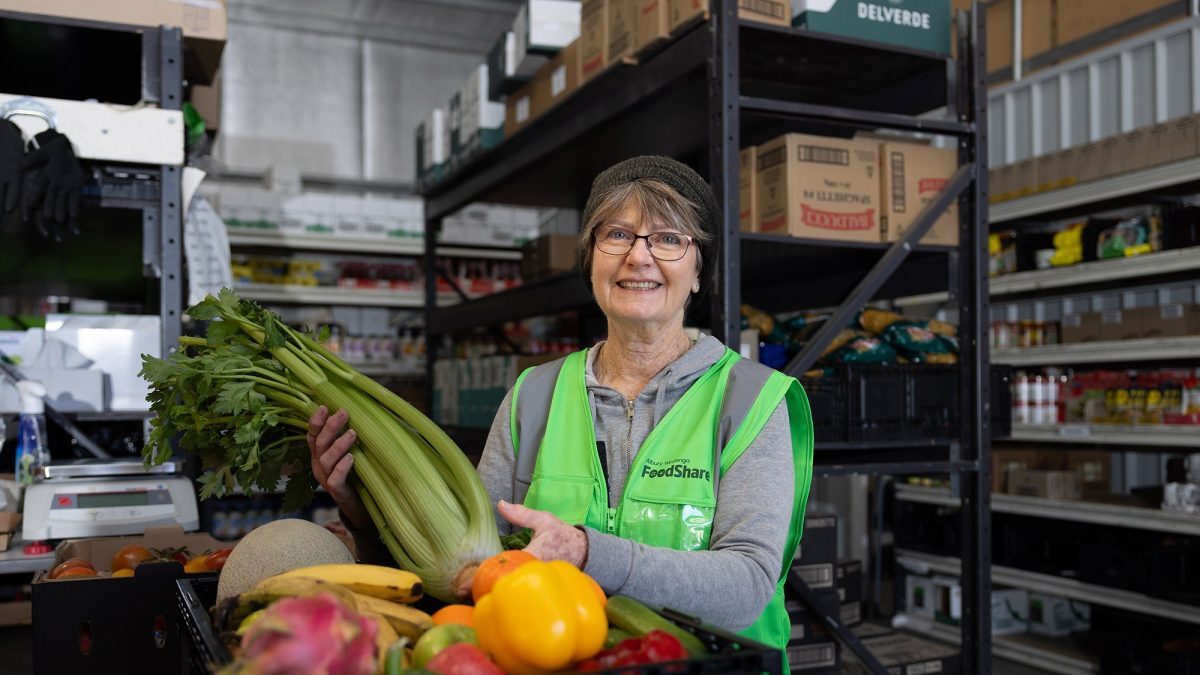
Photo: Albury Wodonga Regional FoodShare Shop
Social Traders today released the 2026 Report on Identified Social Enterprises (RISE). The bi-annual report shows that a sample of 5,092 social enterprises generate $21.3 billion a year, far more than previous estimates for the whole sector in 2022.
Australia's social enterprises are successful businesses strengthening communities when they need it most. Hiding in plain sight, they use trade to support people and communities the mainstream market ignores.
Three in five social enterprises (60.6%) returned a net profit in their latest reporting period, a higher rate than other Australian companies (58.5% in 2023-24). The typical social enterprise earns at least $9 in every $10 through trading. For social enterprises certified by Social Traders, 48% earn all their revenue from trade, up from 40% in 2022.
The 758 certified social enterprises analysed:
- employed 17,115 people furthest from the labour market, for 15.56 million hours of paid work
- spent $236.1 million delivering accessible goods and services to communities the market doesn't serve
- donated $39.8 million to charities through profit redistribution, up 68% since 2022.
For the first time, Social Traders impact cost analysis gives Australia a benchmark for what it costs a social enterprise to create work for people shut out of the labour market, serve communities the market overlooks or fund charities from its profits.
Impact costs are the direct costs a social enterprise carries to deliver its social or environmental impact, over and above what an ordinary business doing the same trading would carry.
The typical certified social enterprise spends $1 in every $5 it earns on the impact it creates. Social enterprises providing community services spend the most, a median 26% of revenue, compared with 19% for social enterprises that create jobs, and 13% for social enterprises that give their profit to charities.
“Social enterprises are successful businesses that put their earnings to work for the people and communities the mainstream market overlooks,” said Tara Anderson, CEO, Social Traders.
“Social enterprises combine paid work with the support people facing complex barriers need to keep it. Government and corporate Australia spend billions every year on goods and services. Directing more of that spend to certified social enterprises buys the same quality goods and services while creating jobs, services and support in the communities doing it toughest.
“We’re calling on governments and businesses to build certified social enterprises into their supply chains and partner with them for the long term. Our data shows that when social enterprises win more work, they increase their trade revenue and create more impact. Working together, we can build a fairer, more equitable Australia.”
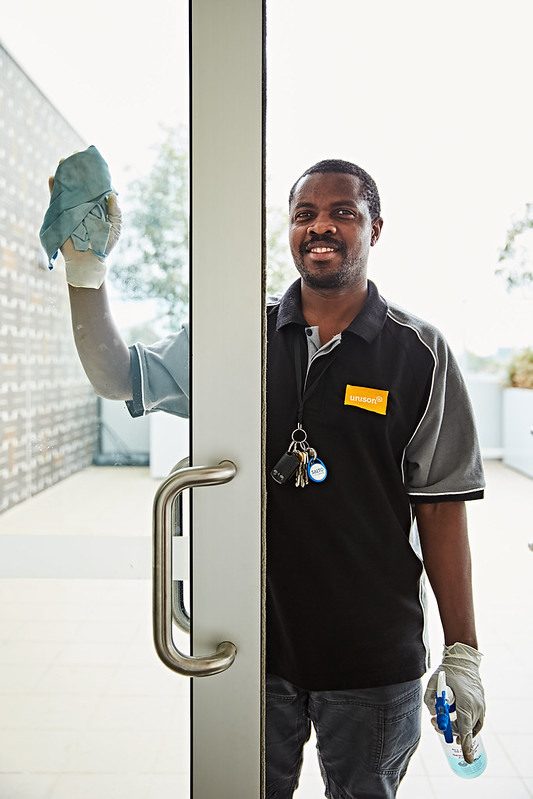
Unison Property Corporation
Tackling homelessness and creating employment pathways
Housing pressure keeps building. Specialist homelessness services supported 288,970 people in 2024-25, yet an average of 353 requests for help went unmet every day (Australian Institute of Health and Welfare). Ownership is slipping further out of reach: just 12% of homes sold in 2025-26 were affordable for a median-income household, the lowest on record (realestate.com.au Housing Affordability Report 2026).
A certified social enterprise, Unison Property Corporation (UPC) in Kensington, Victoria, helps people climb out of that cycle. The 10-year-old cleaning, gardening, groundskeeping and caretaking social enterprise services social and public housing communities across Victoria and employs the people who live in them. It sits within the Unison group alongside Unison Housing, one of the state's largest social housing providers.
“Unison Housing takes people from homelessness and gets them housed. We provide the employment. Eventually they move up the housing continuum to private rental and then hopefully one day to home ownership. We can’t do it alone, so we work together,” said Yuana Yudio, Social Enterprise Manager, Unison Property Corporation.
UPC employs 35 people, 29 of them supported employees, from 11 countries speaking 14 languages. Women make up 62% of the team. UPC hires part time to suit single parents and people managing their mental health, even though part-time roles often cost more per hour, and pairs staff in peer teams that balance language, writing and customer skills.
“It’s about balancing where people are up to and pairing them with a peer group that gives them strength, confidence and encouragement,” comments Daniel Carter, Director, Unison Property Corporation.
UPC treats each job as a starting point. It promoted four people in 2025: its Operations Lead started as a cleaner, and other employees have moved into occupational health and safety and finance roles. A measure of its wider return found UPC creates $5.58 in community value for every dollar spent.
To learn more about the social enterprise sector, their impact costs and what that delivers, download the 2026 Report on Identified Social Enterprises (RISE).
You might also like
 Best practice
Case Studies
From first chance to full crew
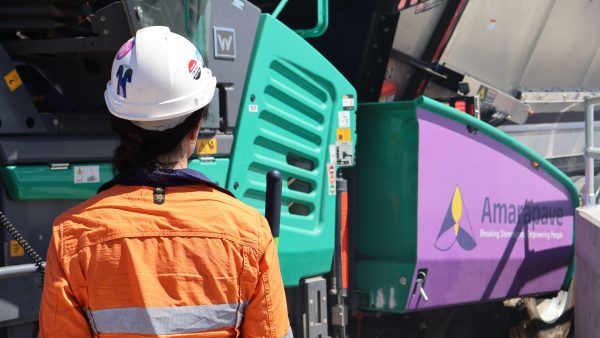
Downer backed Amarapave before it had a crew. Today, Amarapave delivers on Victoria’s biggest road projects alongside Downer, and the impact grows with every job.
 Sector News
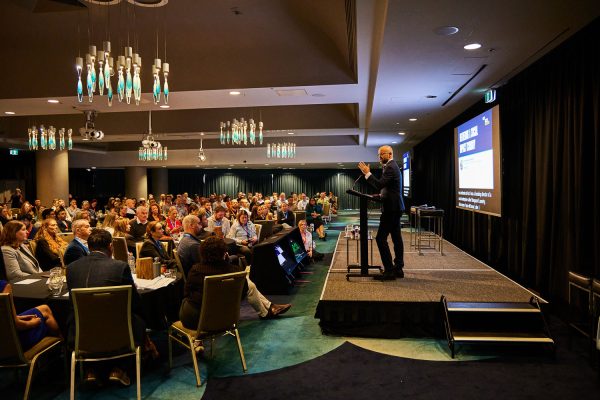
Social value belongs at the centre of how government spend
Why the Queensland Government is putting social value at it's centre
 Sector News
Best practice
Social enterprise pioneers driving social performance
Meet the 2026 Social Enterprise Social Performance Pioneer Award finalists