Modern slavery laws are moving from reporting to accountability

Regulators now want proof you prevented it. To help mitigate risk before it surfaces, organisations should be asking these questions.

The conversation around modern slavery regulation is quickly moving past why modern slavery matters and into the harder question: what do you do when a risk shows up in your own supply chain?
Policies, supplier questionnaires, contract clauses, and annual statements all have a role. But they do not tell you whether workers are safe, whether people can speak up, or whether remediation is available when harm is found.
The question regulators are now asking is shifting from “did you report” to “did you actually take reasonable steps to prevent, mitigate and remedy harm.”
Australia's reporting rules are about to get some teeth
With the most recent Government's announcement on 15 July 2026 to strengthen Australia's modern slavery laws, large businesses could face criminal charges if they fail to prevent modern slavery in their supply chains.
Businesses would have a defence if they could demonstrate they had taken reasonable steps to identify and prevent forced labour, slavery or debt bondage in their operations and supply chains.
This is part of a wider shift globally. The UK led with its Modern Slavery Act in 2015, and the Netherlands, France, Norway, Germany, the US and Canada have all built their own supply chain laws since.
New Zealand's bill, currently before parliament, introduces penalties for non-compliance and is adding pressure on Australia to move faster.
Brazil, Thailand, South Korea, Japan and Malaysia are working on their own versions. Global trade tensions are accelerating the pace too, pushing countries that already regulate supply chains to tighten forced labour bans further.
Spotting risk is only half the job
In a Social Traders member forum, a clear theme emerged. Businesses have become good at identifying where modern slavery risk sits in their supply chains, but the maturity to respond well when they find it still lags.
Grievance and whistleblower mechanisms came up repeatedly as the sticking point. A generic whistleblower policy or a work health and safety channel isn't built to receive a human rights disclosure.
It asks the wrong questions and can lose the report before it goes anywhere useful. What works is a mechanism built specifically for this purpose: trauma informed, accessible to workers and suppliers, and tested before it's needed.
To help mitigate the risk before it surfaces, organisations should be asking these questions:
- Who owns a modern slavery incident once it's identified?
- Who is authorised to approve remediation spend?
- Do workers and suppliers know how to report safely?
- Has the response pathway actually been tested?
- Which partners can support a survivor informed response?
- Can the business evidence reasonable steps and continuous improvement?

Be Well Co
Encouraging visibility and working together on solutions
Visibility deeper into supply chains remains a persistent obstacle. In some instances, commercial suppliers and subcontractors will disclose that an incident had occurred but withholds the detail on where in their own supply chain it happened, out of fear they’ll lose their contract with their client.
One practical solution to address this is to have a contract clause giving organisations the right to request full detail once an incident is reported by their suppliers.
Cutting a supplier off the moment a risk is found teaches every other supplier to stay quiet. Instead, working with a supplier to mature its systems and being upfront that flagging a risk leads to support rather than termination, is what keeps businesses hearing about problems early enough to act on them.
Tackling modern slavery
Regulation is moving from reporting to real accountability in Australia.
Australian Anti-Slavery Commissioner, Chris Evans said,
“Beyond the proposed measures, I want to see reforms that build on the investment already made in due diligence by businesses, prioritise remedy for victims, and push businesses beyond performative compliance.”
The businesses ahead of that shift aren't just the ones best at finding risk. They're the ones already building the grievance mechanisms, ownership structures and supplier relationships needed to act on what they find.
Curious to know how ethical your business is and how you're fairing against anti-slavery?
Use this free tool to find out, developed in partnership with The Freedom Hub. Get a report with actionable insights in under 2-minutes.
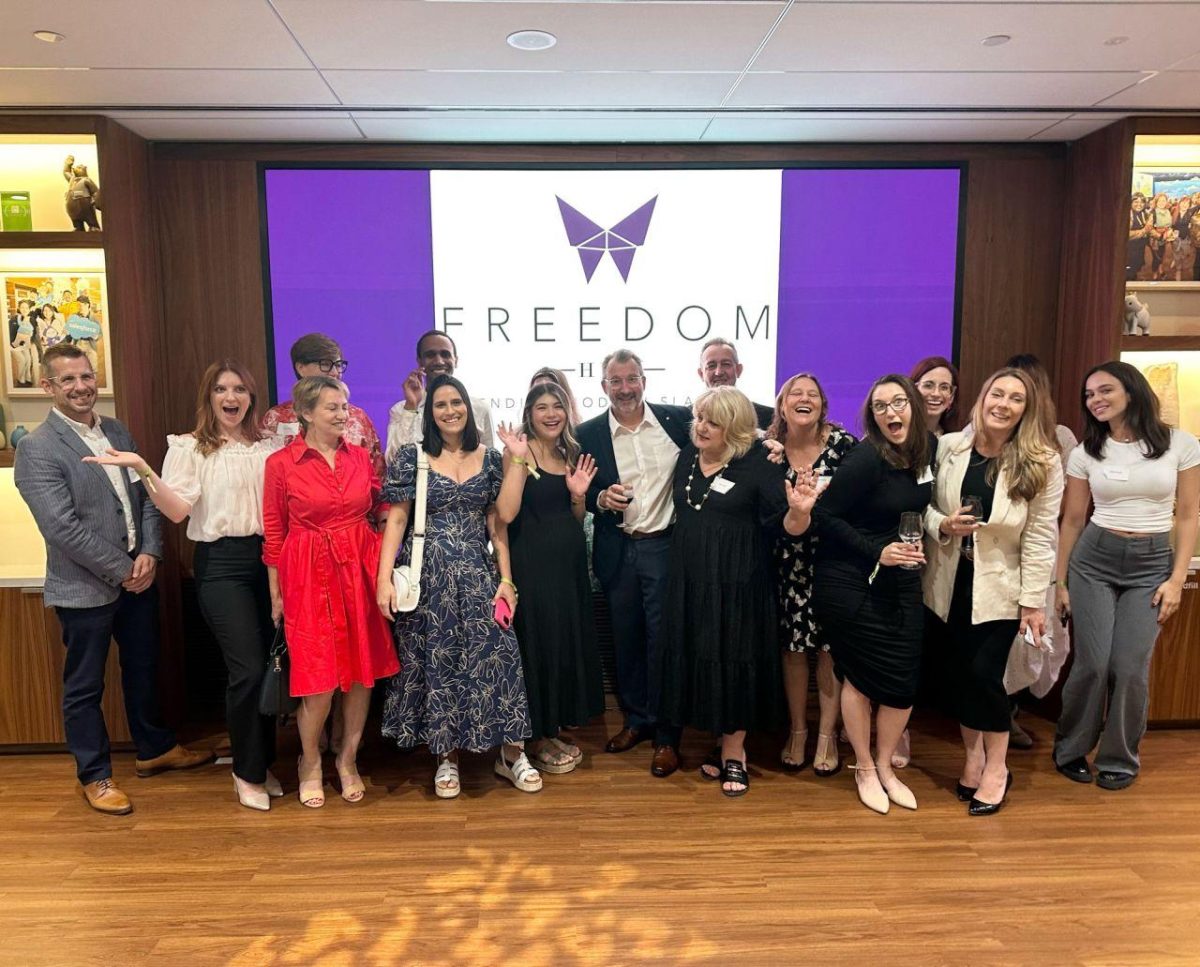
The Freedom Hub
Social Traders and The Freedom Hub
Social Traders, the industry body for social enterprise and social performance, has partnered with certified social enterprise The Freedom Hub, to make ethical procurement and modern slavery due diligence practical, strategic levers for businesses committed to social performance.
Together, we help organisations understand their legal obligations and build the capability to meet them, particularly as mandatory due diligence laws approach. Social Traders members get access to knowledge, tools and guidance on human rights due diligence, with a focus on the "reasonable steps" required to manage modern slavery risks in operations and supply chains.
The Freedom Hub also gives members exclusive access to survivor insights through its Survivor Advisory Board. This brings a human perspective to policy design and ensures the voices of people directly affected by slavery are heard and respected.