Sustainable impact: How NFPs are building social enterprises that pay their way
This report draws on Social Traders certification dataset and in-depth interviews with four Australian NFPs to answer the key question: how can a not-for-profit create a social enterprise that pays its way?
This report was written by James Hornitzky and Dr Amber Earles. Thank you to the certified social enterprises that shared their data through certification, and especially to the four organisations that generously shared their stories through interviews.
Key insights
There's no single blueprint. But every NFP that got there built from the same foundations: leaders with business experience, volunteers used strategically, funding matched to the stage of the enterprise and an NFP-to-social enterprise relationship that evolved over time.
None of them reached sustainability quickly. All of them now generate their own revenue and deliver impact every year.
Financial sustainability is built, not found

Leadership
Leaders with business and industry experience transform the social enterprise at critical inflection points and get the unit economics right before scaling.

Volunteers
Used strategically, volunteers lower costs, de-risk new ideas and bring skills the organisation couldn't otherwise afford.

Funding
Seed funding gets the social enterprise started. Capacity building funding gets it to sustainability.

NFP-to-social enterprise leadership
Parent NFPs provide funding, premises, volunteers and brand at the start and the relationship that works is one that evolves as the social enterprise matures.
Recommendations to help NFPs build social enterprises that last
- Hire a leader with business management and industry experience. This closes the knowledge gap that holds most NFP-initiated social enterprises back
- Use volunteers strategically, not as a last resort. Volunteers offer significant advantages in cost, skills and testing new ideas
- Treat the social enterprise as a multi-year investment and maintain the relationship between the NFP and social enterprise throughout
- Match every funding decision to the lifecycle stage of the enterprise:
- Fund the start as seed funding - for all but the simplest business models, it won't be the last round required
- Fund the growth as capacity building - patient, mission-aligned capital focused on improving unit economics and scale
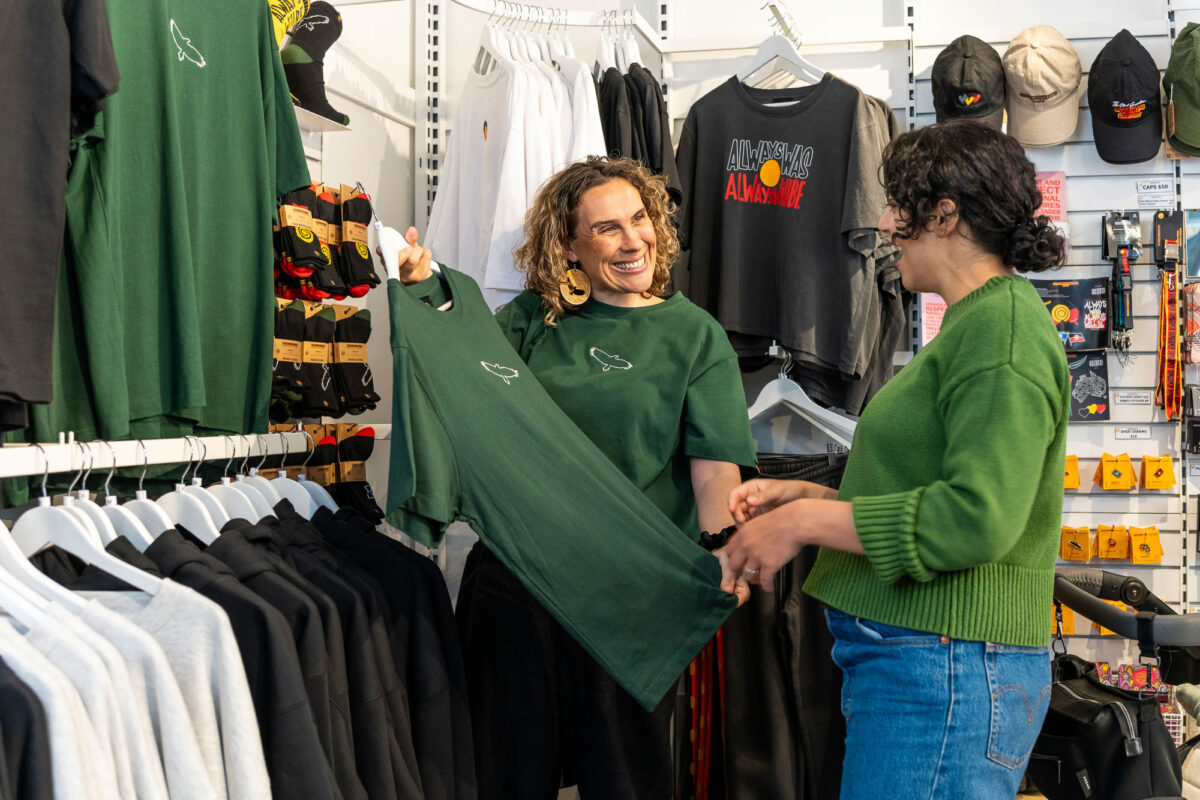
Clothing the Gaps
Discover more data-driven insights
We openly share and collaborate with various partners to produce reports to support the vital contributions of social enterprises.